
…. Den er nem… 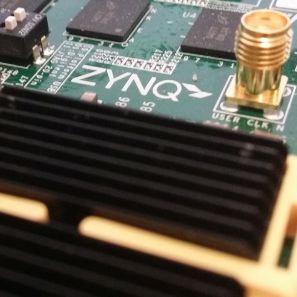 Det er et printkort med vilde 16 DSP kerner og 2 ARM CPU kerner. Traditionen tro skal vi være hemmelighedsfulde mht. formålet med dyret, men vi kan da sige så meget, at det handler om kommunikation. Når man lægger 2 af de vildeste Texas Instruments digitale signal processorer (DSP) med hver 8 kerner på samme print som en Xilinx Zynq, som har indbygget to ARM kerner, så ved man, at der er lagt op til ganske kompetent hardware. Alle kerner kan køre 1GHz+ og der hører 1Gbyte DDR3 til Zynq FPGAen og til hver DSP, så størrelsen taget i betragtning er det lidt af et monster. Hvad er så det ekstraordinære!?
Home  Weblog
Weblog
 Vi syntes der skal være plads til historier, cases, teknologi og debat. Du er velkommen til at kommentere på alt her - vi velkommer dialogen.
Hvad har 7.000 ben, er hullet som en si og er lidt “hot”?
tirs aug 19, 2014 (Anders Enggaard)
Den Gyldne Loddekolbe – invitation til at nominere din 2014 favorit kandidat.
tors jul 03, 2014 (Anders Enggaard)
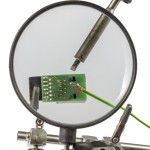
Nominering til Den gyldne loddekolbe 2014
I 2014 har presset på prototype udviklere ikke aftaget, snarere tvært imod og dermed er kravene til den danske elektronik montage branche fortsat stigende.
Tanken bag Den Gyldne Loddekolbe er, at vi udviklere i industrien deler vores erfaringer – gode som dårlige – for derigennem at øge fokus på de helt specielle krav, der er til prototypeproduktion samt sikre en forsat god konkurrenceevne.
I år er det 5. år i træk at vi uddeler den Gyldne Loddekolbe og sædvanen tro har du, som læser indflydelse på, hvilke virksomheder, der skal nomineres og dermed også standarden for feltet.
Læs resten »
Oversigt: Elektronik montage virksomheder 2014
ons jul 02, 2014 (Anders Enggaard)
Hvilke virksomheder foretager montage af printkort?
Igen i år samler vi her et overblik over virksomheder i Danmark, som arbejder med elektronikmontage. Listen kan i øvrigt tjene som inspiration til nominering af kandidater til “Den Gyldne Loddekolbe”.
Det er officielt – Laserkommunikationen til Månen udråbes af ESA som en succes
tirs apr 29, 2014 (Anders Enggaard)
Så er det er ganske vist, at vores space darling nu har fundet sammen med Månen. Opsendelsen af LADEE satellitten fandt sted i starten af september, og siden har LADEE været i kredsløb omkring Månen. Den 17. april, fandt den efter planen hvile på månen efter endt mission.
Vi har i løbet det sidste år leveret kommunikationsudstyr til et jord-til-satellit laserkommunikationsprojekt, kaldet LOCL eller LLCD. Det overordnede teknologimål har været at kommunikere ca. 400.000 km med laser fra Jorden til satellitten med ”megabit pr. sekund” hastigheder – og langt hurtigere end med traditionel RF kommunikation. Vi kan med stolthed henvise til ESAs hjemmeside, hvor missions succes beskrives kort.
Projektet er et samarbejde mellem ESA og NASA, og siden september sidste år har vores udstyr været installeret på ESA’s jordstation på Tenerife. Udstyret har givet ESA mulighed for at transmittere til Månen hhv. måle afstand.
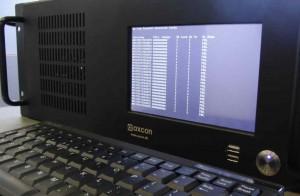
Teknisk består systemet af kompleks FPGA teknologi, hurtig sampling (GSPS) og software afviklet på Linux host
Komplekse komponenter: Ja tak. HDI print: Hvad fabler du om?
tirs apr 01, 2014 (Anders Enggaard)
HDI (High-Density-Interconnect) som begreb er en anelse flydende,
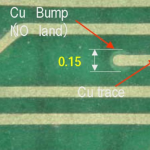
Padless via (foto: Mr. Holden).
Igennem mange år har vi slået et slag for, at power og signal integriteten er en vigtig del af en elektrisk konstruktion. Printpladerne er en vigtig brik i dette spil, da impedanser og forsyningsnetværk i høj grad defineres af printpladerne konstruktion. Denne tilgang til printplade design har i høj grad været drevet af elektronikkens behov. Hvad sker der egentlig, hvis vi tager udgangspunkt i printet for at vurdere, hvad printet kan tilbyde for elektronikken frem for at fokusere på, hvad elektronikken kræver af printet.
Læs resten »
Hvordan undgår man jitterbug?
tirs apr 01, 2014 (Anders Enggaard)
Når man skal sample noget, hvad enten det er et digitalt eller analogt signal, har man brug for en stabil clock. Da mange systemer reagerer på flanken og stige/falde tider typisk er nogenlunde konstante, fokuserer man især på ”vandret støj”, dvs. i tidsaksen. 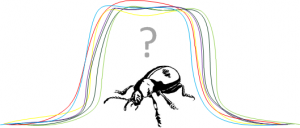 Der er mange definitioner og målemetoder, og der er, specielt i telecom verdenen, en masse metoder for at håndtere dette. Disse kan være nok så indviklede; men i det mindste er de relevante data og metoder ofte tilgængelige. Denne artikel skal derfor mere handle om, hvad man gør, når man bliver mødt med et, ofte meget upræcist, krav til sin clock. Læs resten »
Gør-det-selv – Laserkommunikation
tirs apr 01, 2014 (Anders Enggaard)
I forlængelse af vores deltagelse i LOCL projektet (Lunar Optical Communication Link)  kastede vi os over en gør-det-selv løsning til en up-link transmitter til LADEE satellitten, som kredser om månen. Det har vist sig, at den enorme følsomhed i detektorerne der anvendes i satellitterne – herunder også LADEE – ikke kræver laserenerginiveauer, som man ellers forestiller sig. Faktisk er kravet til sendeeffekt fra jordstationerne forholdsvis begrænset. Det ansporede os til at konstruere en simpel opstilling baseret på et amatørteleskop og laserteknologi fra de bredt tilgængelige laserpointere. Læs resten »
Axcon leverer kommunikationsudstyr til det europæiske rumfarts agentur (ESA)
fre jan 10, 2014 (Anders Enggaard)
Et dedikeret team hos Axcon har designet og integreret et FPGA baseret kommunikationssystem. Efter succesfuld test står systemet nu klar på ESAs jordstation på Tenerife. Systemet danner rygrad i et teknologiprojekt som skal afprøve optisk to-vejs højhastighedskommunikation fra jorden til en satellit, i kredsløb om månen.
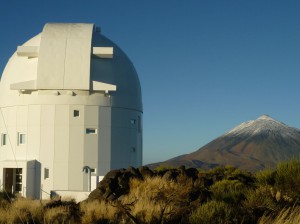
“Det nye her er ikke at kunne kommunikere med en satellit i kredsløb. Derimod er det første gang ESA bygger et tovejs kommunikationssytem baseret på laser – fra jorden til en satellit der er 400.000 km væk med båndbredder på op til 622 Mb/s.” udtaler Anders Enggaard fra Axcon.
HP Elektronik-montage vandt årets Gyldne Loddekolbe
ons dec 04, 2013 (Anders Enggaard)
I et tæt opløb kom HP Elektronik-montage ind på første pladsen for håndtering af prototypeproduktion for EMS underleverandører.
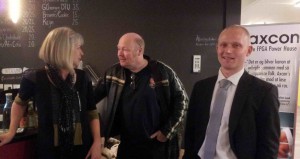 Vi har igen i år uddelt Den Gyldne Loddekolbe på baggrund af input fra den danske elektronik industri. Læs resten »
Den Gyldne Loddekolbe – Invitation til at nominere 2013 kandidater
fre sep 20, 2013 (Anders Enggaard)
For 4. år i træk tildeles “Den Gyldne Loddekolbe” til den bedste danske elektronik montage virksomhed, der har det bedste produkt indenfor prototype produktion.
Nomineret til Den Gyldne Loddekolbe 2013?
I 2013 har vi erfaret, at de produktionsvirksomheder, som tidligere har fokuseret på højere volumen, nu også har bevæget sig ind i markedet for mindre produktionsserier. Konkurrencen er derfor blevet meget mere intens inden for landets grænser. Det vigtige for os er stadigvæk at kunne få øget hastigheden og træfsikkerheden for prototyperne, så vejen mod det endelige produkt bliver så kort som mulig og med færrest mulig trængsler grundet produktionen.
Læs resten »